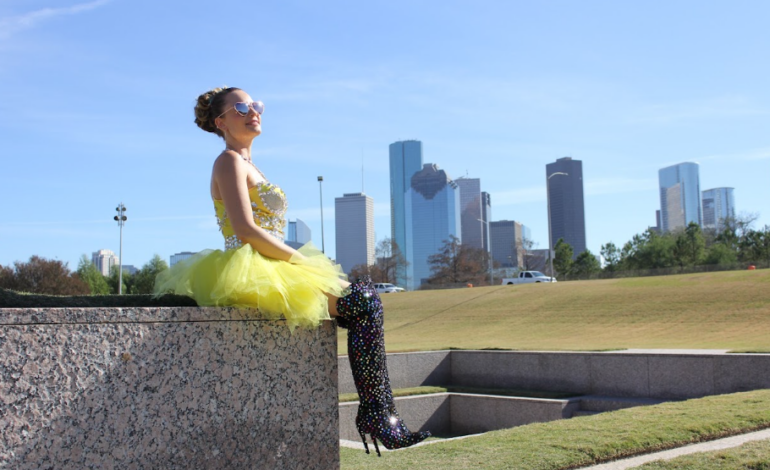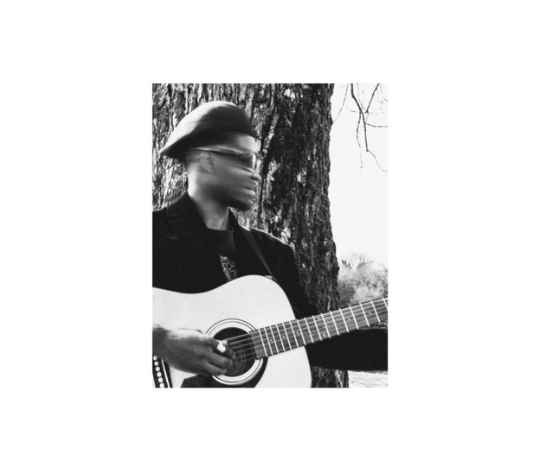

Singer-songwriter Bear Bolton marks a milestone birthday with the release of her deeply personal debut album, Time To Revive, an honest collection of songs that chronicles love, loss, resilience, motherhood, recovery, and the courage to begin again.
You’ve described “Time To Revive” as the “evidence” you needed to finally call yourself a singer-songwriter. What does that word, evidence, mean to you, and why was it so important to have a tangible body of work to validate your identity as an artist?
I grew up with music, but I never knew anyone who’d produced or released anything, so it was always a big fat pipe dream that I only thought existing ‘real life musicians/artists’ could conquer! Not knowing where to even start with putting a track together, let alone distribute it to the world! Being in a ‘professional’ healthcare career all my life, I grew up thinking ‘unless you’ve done the exam, you don’t qualify.’ But then someone said to me ‘well do you think painters don’t call themselves ‘artists’ unless they’ve been accepted in to the Tate? No, they’re an artist all along.’
The album spans a remarkable range of genres, from blues and reggae to rock and classical influences. When you sit down to write, do you begin with a particular genre in mind, or does the story dictate the musical direction, and how do you decide which sonic palette best serves each song?
I’ve always loved every style of music, because each one makes me feel different feelings. When I write, the lyrics always come first for me, and then I think about what genre would fit the message I’m conveying. I try and match the vibe with how I feel when I sing the words.
“Faded Pictures” reflects on leaving a marital home and finding peace with memories that remain meaningful. How do you approach writing about such deeply personal experiences in a way that feels both cathartic for you and relatable for your listeners?
So many people are going through or have been through divorce, and I was lucky enough to be able to find the positives in it. I hoped in writing it, to help to encourage anyone who’s been through a breakup to try their best to remember that there was a reason they were together once, and that it was right and wonderful at one time (however brief that may have been), and to remember that, and feel comfortable and happy to move on, focussing on the memory of the good times. It helped me feel peaceful.
The track “Mrs Robinson” tells the story of a brief encounter that unexpectedly became a catalyst for rediscovering confidence and self-worth. Can you tell us more about the real-life inspiration behind that song and how that experience changed your perspective on identity and reinvention?
Well, I don’t think I need to go in to too much detail, but it after the ‘encounter’ I stood in front of the mirror, naked and alone, and felt this overwhelming sense of power within, like life had just begun again. Just like Emma Thompson in ‘Good luck to you Leo Grande.’ The final line of the song is one of my favourites in the album.. ‘Left alone, I turned to the mirror; sweat and disgrace with a smile on her face…I could finally see her.’
You’ve mentioned that you can hear things you would do differently in the production of this album. How do you balance the desire for technical perfection with the acceptance that art often reflects the imperfect circumstances in which it was created?
Life was chaotic whilst I was writing and producing these tracks, so I could only really focus on the bit that I knew how to do at the time, which is the songwriting aspect and most importantly the lyrics. Now life is more settled, and I’ve learnt a lot through my now producer Ric Smithson, about the production aspect, I am more picky with how things sound overall! The second album will hopefully reflect this!
“This Love” was originally written as a wedding gift, celebrating healthy, peaceful love. How did that song evolve from a personal gift to a track that resonates with a wider audience, and what does it mean to you to have created something that celebrates love in its most positive form?
I’ve always been a big fan of love, and seeing it in my friend and her fiancé was a catalyst to write about how it should make you feel. I think (I hope) everyone has it somewhere, even if it’s in their love for their pets!
The album deals with themes of mental health, particularly in “Sentivo solo la pioggia.” How important was it to you to address these subjects in your music, and what responsibility do you feel as an artist to speak openly about topics that are often stigmatized?
Like a lot of people, I don’t think you realise that you’ve been through a mental health crisis until you’re out the other end of it. I wrote it a year after I had suffered with PND, and felt I wanted to share it in a song to help women feel less alone in it. It’s so common, and I wanted to express that there is light at the end of the tunnel.
Family seems to be at the heart of this project, not just in terms of the stories you tell but also in the collaborations you’ve created. How did working with family members differ from working with outside musicians, and what unique energy did they bring to the studio?
I count myself incredible lucky to have this privilege. Creating music with my family helps me feel safe and secure, and have a lot of fun too! My step brother and his son are both very talented musicians too, and they help me bring a 4 chord song (they insist I only know 4 chords!) to life!
You’re releasing this album as you turn 40, a milestone that for many people represents a moment of reflection and reinvention. How has reaching this age influenced your perspective on your life, your music, and the stories you want to tell?
I think when you reach this age, you know yourself very well, and it almost gives you licence to say ‘f*#k it, why not?! What’s the worst that can happen?!’ I only write about experiences I’ve been through, and my personal perspective on it, and if my listeners can relate to at least some of those stories, and feel less alone, then the album’s done its job!
If you could sit down with a listener who is going through a difficult period of reinvention or struggling with their identity, what would you want them to take away from “Time To Revive,” and what message would you share with them through your music?
I would ask them, ‘what is it that you’ve always wanted to do, but you’ve never given yourself permission to accomplish?’ Well… ‘GET ON AND JUST DO IT! It is never too late to start.’ I released my first song at 37 with the intention of stopping there. But once you start unpicking a passion that’s been brewing for a lifetime, and it brings fire in to your life, you just don’t want to stop!