
Max Macready’s The Hunt is a striking meeting point between electronic music, progressive rock and science fiction. With its pulsing synths, atmospheric guitars and neon-lit textures, the track creates a vivid world while exploring themes of pursuit, desire, communication and the uncertainty of human connection. Drawing on influences ranging from Gary Numan and Vangelis to Yes, Rush and The Police, the UK duo have crafted something that feels both retro-futuristic and distinctly contemporary. We caught up with Max Macready to talk about the inspiration behind The Hunt, the duo’s creative partnership and the ideas driving their music.
‘The Hunt’ feels like a transmission from a lost science fiction future. Where did the central idea for the song come from, and what did you want listeners to imagine when they first hear it?
It’s an adventure without a resolution. Like when a journey is more exciting than the actual outcome or destination. And we want listeners to imagine this might be the music playing in a bar or the background in an alternate retro future world or science fiction movie.
The song explores pursuit, mixed signals and the uncertainty between genuine connection and imagined connection. Was there a particular experience or observation that shaped those themes, and how did you translate that uncertainty into the music?
It was more an observation of the universal experience of how we make and perceive connections. A particular experience? Maybe. We are interested in how connections used to be made (specific radio or telephone messages at dedicated terminals) compared to today’s reflex of reaching into your pocket and being able to initiate contact with anyone you want. And does it even matter if they are real or not. There are moments of drive, stillness and contemplation in the track as the synths swirl around. The pulsing synth bass felt like a steady and persistent pursuit. The track doesn’t really resolve by the end and doesn’t follow a traditional structure in terms of verse and chorus. There’s defiance at the end – but still a yearning.
Max Macready’s sound brings together synthwave, darkwave, electronic music and post-punk, while also drawing from progressive rock and cinematic composers. How do you decide which influences belong in a particular song without allowing those influences to overwhelm your own identity?
That’s a good question. We are quite ruthless sometimes with sounds and choices. It’s easy to get engrossed with an incredible sound or synthesiser and lose your own sound for a while. Cinematic composers heavily influence our music and we are both visual thinkers. We have visuals in our head when making music and try to imagine a scene or moment. It’s all about adding textures and layers more so than emulating a specific influence. Getting the guitars to sit comfortably within all the synth sounds adds a shimmer that makes it all sound slightly unusual.
The arrangement of ‘The Hunt’ reportedly remained largely unchanged while the guitars and vocals were recorded, with the lyrics written afterwards. What did that process reveal about the song, and did the finished track surprise you in any way compared with your original idea?
The track became a lot more textured than originally anticipated. Lots of subtle sounds, pings and guitar harmonics. We wanted both the lead and bass guitar section to feature and adding lyrics suddenly glued everything together.
Kurt, your guitar work brings a physical and sometimes darker texture to a sound that is heavily rooted in synthesisers and electronics. How do you approach finding the right balance between the organic character of guitar and the futuristic world Max Macready are creating?
Merging the organic guitar sounds with the synths is something that’s very interesting to me. The guitar solo on our first single ‘Holding Pattern’ used a lot of formant shaping to add a strange extra layer to the sound. There wasn’t as much on The Hunt and I kept the raw bright guitar sound, playing along with the lead synth section and didn’t use any chords, just double stops and open strings. It’s not unusual to use guitars with synths – but I think it’s unusual that the guitar takes a back seat and compliments the electronics.
Max, how important are bass and synthesisers to the emotional identity of the project? Do you approach those instruments primarily as rhythmic foundations, melodic voices, atmospheric tools, or a combination of all three?
Bass and drums are often what I start out with. I play bass guitar, so I’m bound to put it front and centre! It’s definitely the rhythmic foundation and driver to the track. I like to play with arpeggiators as it’s a great way to discover patterns and runs. It certainly sets the atmosphere and gives you the feeling of being led forwards, that something is building and that it has intent. There’s no going back.
The idea of music existing as cassette broadcasts drifting through deep space is central to the band’s identity. How much of Max Macready is built around creating a fictional universe, and how much of that universe emerges naturally from the music itself?
We conceived of our identity as music that might be made by a band that existed within a fictional scifi movie universe. Like being on a cassette Bruce Dern is listening to in Silent Running. Or a music transmission that is just out there in the void, like something that gets discovered eons later. We both love the 70s and 80s era of sci-fi, horror and adventure movies. Vividly realised worlds using the technology of the era. It all became a shared vision of the future. The sounds and synths we pick are ones that we feel could have emerged from a world where Max Macready really existed.
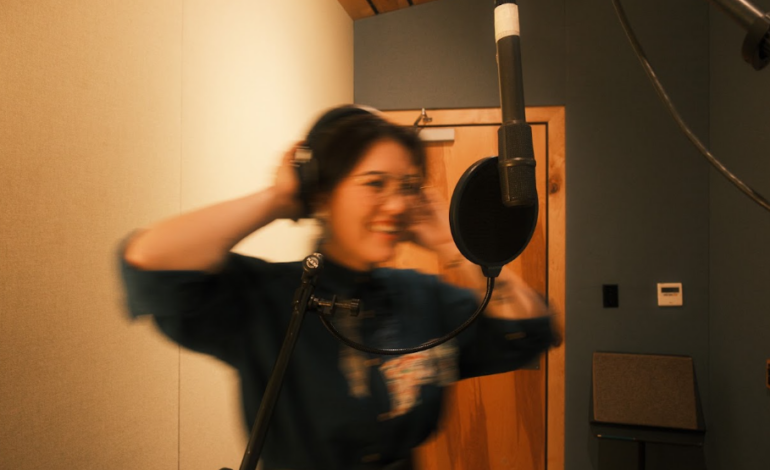
The vocals for ‘The Hunt’ were recorded at around 3am in London before the outside noise became too loud. Did that late-night environment affect the performance or atmosphere of the recording, and do you find that unusual circumstances can sometimes produce better creative results?
Yes it definitely affected the overall vibe of the song. The vocals were delivered a little more quietly and gently and there was a good vibe about recording them so late at night.
The song touches on modern communication and the increasingly complicated relationship between technology, influence and connection. Do you see Max Macready as a band commenting on the technological world around us, or is technology primarily a creative language through which you explore more timeless human experiences?
How we imagined future communication in the analog technology world compared to what we currently experience is both spookily prophetic and beyond what anyone thought possible. Two opposing truths. We think it’s a bit of both. The video for The Hunt visualises the person on the other end as a large, retro computer terminal – often the antagonist in an 80s sci-fi story. Today such things exist as data centres and dominant technologies that shape the world around us. Though overall we want to use our identity to tell stories about the timeless human experiences you suggest. That the same experiences might exist across different worlds, dimensions and lost futures.
If someone has never encountered Max Macready before and ‘The Hunt’ is their first introduction to the band, what would you hope they understand about your music, your world and the journey you are trying to take listeners on?
We are indeed trying to take listeners on a journey. We always liked music that makes you create your own cinematic moments in your mind – stuff that fires the imagination. Sounds along with world building visuals that encourage the listener to wonder what else is happening in the universe that Max Macready is transmitting from.
Instagram, Spotify, YouTube | PR: Danielle Holian, Decent Music PR